The ancient Greeks knew how to tell a story that outlives centuries, and at the heart of one of their most tragic tales stands a young woman named Cassandra. She’s a princess of Troy, daughter of King Priam and Queen Hecuba, and she’s gifted with a rare and precious talent: the ability to see the future with unerring accuracy.

The god Apollo, charmed by her beauty and spirit, bestows this gift of prophecy upon her. But when she refuses his advances, his admiration curdles into spite. Unable to revoke the divine gift, he twists it into a curse, “I still see the truth of what’s to come — but no one believes me. My voice, though truthful, is dismissed, doubted, or ridiculed.”
The legends say she warns her people against bringing the mysterious wooden horse into Troy’s gates. She knows it’s a trap. She pleads, argues, weeps. But her warnings are ignored. The horse rolls in, the hidden Greek soldiers emerge, and the city falls in flames. Cassandra’s fate becomes a symbol: the burden of seeing danger ahead but being powerless — or choosing not — to stop it.
I recognize this dynamic in my own life. I don’t immediately connect it to ancient Troy, even though I’m no stranger to how Cassandra felt. My focus is always on those I care for — nay, love.
The wrong path — a decision that seems small in the moment, but I know the ripple effects it can cause. Never a matter of life or death, but enough to close doors they don’t even know are open. I see it mapped out in faint lines ahead of them, the turn they’ll take, the corner they’ll be backed into, and the look on their face when they realize it’s too late.
For me, it feels like a fork in the road. Do I step in, try to change their course, and risk their resentment? Or do I step back, let the moment unfold, and watch them learn the hard way?
I’ve stood at this divide many times, in many relationships — with younger people, with friends new to specific experiences, even with peers who haven’t seen enough of this terrain to recognize the hazards. Sometimes the stakes are small, like a financial decision that might leave them inconvenienced. Other times, they’re larger — a romantic choice that might leave deep scars or lifetime consequences.
The pattern is unmistakable — a dilemma that never comes without my own internal struggle and pain. The choice is never as clean as “step in” or “stay out.” Each option carries its costs.
If I intervene, I can prevent harm — sometimes completely. But there’s often a cost; they might resent my interference, accuse me of not trusting them, or feel diminished by my involvement. If I stand back, they encounter the consequences themselves. Painful, yes — but real, lived experience that sears a lesson into memory far more effectively than cautionary words ever could. The cost is that I must watch the harm happen, and sometimes that harm is greater than the lesson justifies. The fallout could last a lifetime.
And herein lies the fusion of foresight and burden. Cassandra knows the outcome, speaks the truth, and faces the torment of watching others proceed toward disaster. In the myth, her warnings are disbelieved because of Apollo’s curse. In real life, disbelief comes from inexperience, overconfidence, or the human tendency to think “that won’t happen to me” or “I need to experience life on my own terms.”
The situation isn’t always identical, but the emotional terrain is eerily similar. I see the danger, the unfolding chain of cause and effect. And I must decide whether to cry out like Cassandra, to try to divert someone from their path, or to stay silent and let events run their course. And in the same way she did, I bear the pain of knowing without the power to change it. The echo of her predicament lingers every moment I foresee trouble in the life of someone I love.
I know how Cassandra felt!
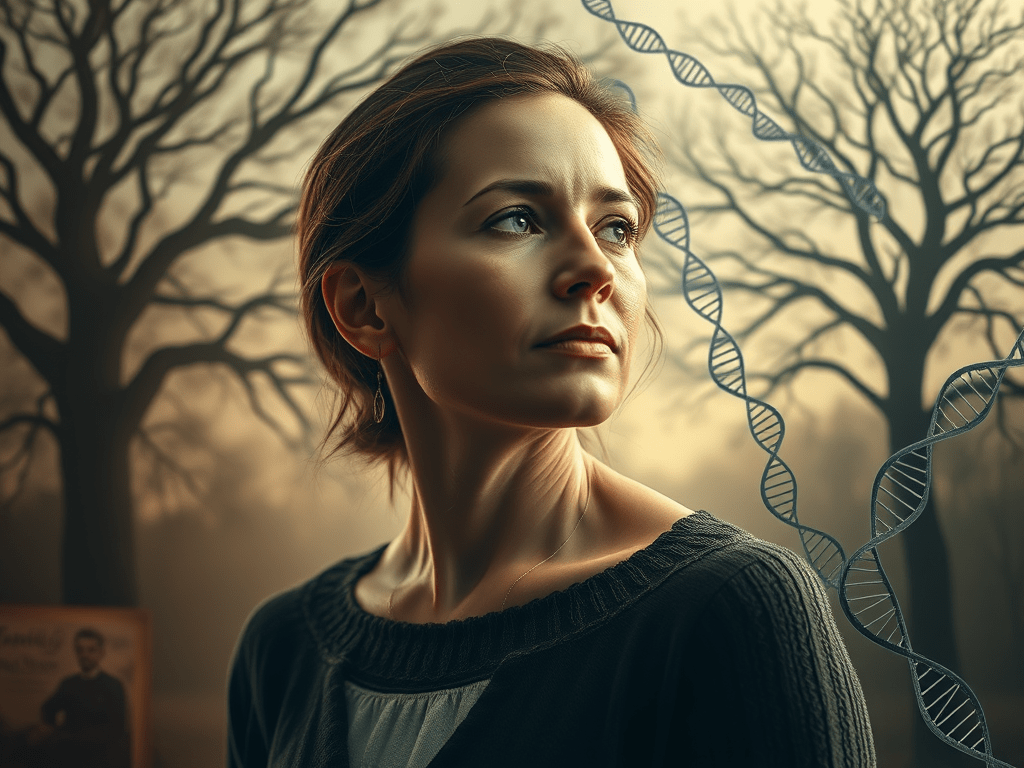
Portions of this post, and the image of Cassandra, were produced with the assistance of LLM GPT-5 from my own detailed reiterative prompts.


 Aaron Tassin, MLIS